 CARLOS DIEGO C. P.
Press kit
The technology professor who doesn't want technology to think for you.
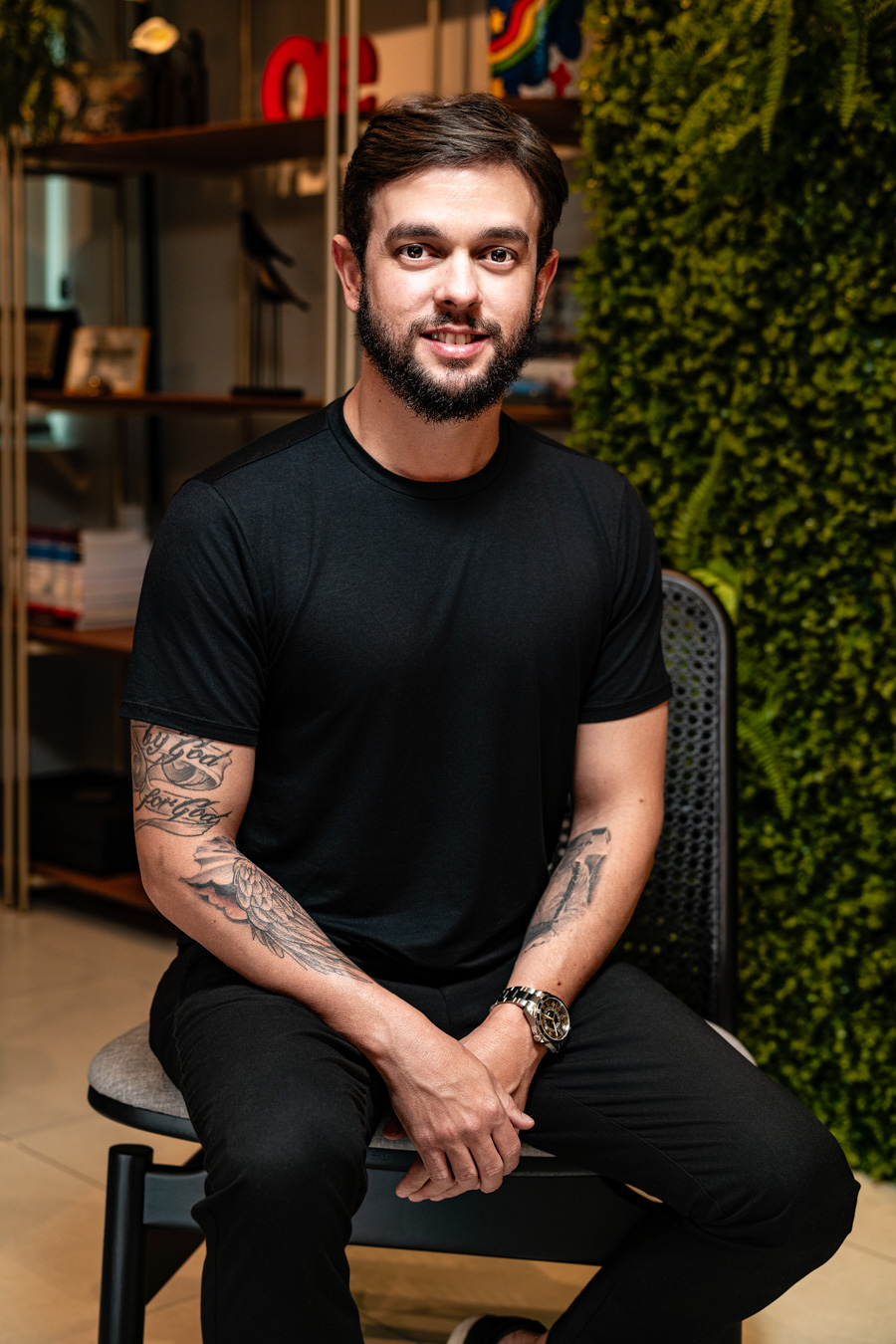
Carlos Diego holds a doctorate in Computing and is a university professor and entrepreneur. He has worked with technology for more than 20 years and talks about artificial intelligence, education, work and careers for people who don't live and breathe technology.
Texts and images are free to use for editorial and promotional purposes, with credit. For interviews, see contact.
The conversations he starts
Carlos Diego works with artificial intelligence and, for that very reason, questions how it is being adopted. He talks less about tools and more about what technology changes at university, at work, in companies and in everyday life.
Are we teaching young people to use AI before teaching them to think?
A doctor in Computing and a professor who argues for limits on students' use of AI.
- Do we need AI-free zones in education?
- Is a student who outsources reasoning to AI really learning?
- Is the ChatGPT generation unlearning how to make mistakes?
- Does university still make sense in the age of artificial intelligence?
Your company probably doesn't need as much AI as you think.
As a tech business leader, he talks about the mistakes companies make in the race to look innovative.
- Before buying AI, fix your data
- AI won't save a disorganized company
- Why are some companies using AI where a spreadsheet would do?
- What happens when we outsource decisions to algorithms?
We use AI to save time. But what are we doing with the time we save?
Technology for people who don't live and breathe technology.
- Do you need to understand technology to stay employable?
- Could your first job disappear because of AI?
- Is learning to code still worth it for those starting out now?
- Do we really need to be productive all the time?
The problem isn't AI stealing your job. It's graduating without knowing how to solve problems.
A professor's view of the gap between university and the job market.
- If AI does your coursework, who is actually graduating?
- What to study so you're not competing with an AI
- You don't need to be a success by 25
- Curiosity, questions and fundamentals: what still matters
FormatsInterviews, news commentary, opinion pieces, podcasts, videocasts, radio, debates and talks.
What he thinks
Ten positions Carlos Diego holds on technology, work and education. They may be attributed to him.
- 01Artificial intelligence in education
Schools need to create spaces where artificial intelligence does not enter.
AI can expand learning, but it should not eliminate intellectual effort. Schools and universities need to preserve exercises, debates and assessments in which students develop their own reasoning. Learning is not just finding the right answer, but understanding how to get there.
- 02The future of professions
The biggest risk is not AI replacing professionals, but making the skills they have today insufficient.
The job market will not be transformed evenly. Some tasks will be automated, others will become more complex. What sets professionals apart will increasingly be the ability to solve problems, make decisions and understand contexts that go beyond the answers systems generate.
- 03Programming and software development
AI is making it easier to write code, but it is not making it simpler to build good systems.
Generating code is only one stage of development. Designing architectures, ensuring security, dealing with distributed systems and understanding real needs still require technical knowledge. The ease of producing software must not be mistaken for the ability to build reliable technology.
- 04Productivity in companies
Not every gain in efficiency is progress.
AI adoption should not be measured by the number of automated tasks or the time saved. A company can produce more reports, content and analyses without making better decisions. Productivity must mean creating value, not just going faster.
- 05Digital transformation
Companies don't fail at digital transformation only because of technological limits. Many fail because they try to modernize tools without changing processes.
Moving to the cloud, buying platforms or implementing AI does not solve structural management problems. Transformation starts with understanding the business and reviewing processes. Technology applied to a disorganized operation may simply amplify its inefficiencies.
- 06Big Tech and technological sovereignty
Technological dependence can become a greater strategic risk than lacking access to the most advanced technologies.
The concentration of infrastructure, computing capacity and digital services in a few vendors demands attention. Companies and governments need to discuss interoperability, portability and autonomy. The point is not to abandon large platforms, but to keep essential decisions from depending on a single vendor.
- 07Entrepreneurship and startups
The market doesn't need more startups that use AI. It needs companies that solve real problems.
Adding artificial intelligence to a product is not, on its own, meaningful innovation. Sustainable businesses depend on well-defined problems, consistent execution and measurable results. Technological enthusiasm is no substitute for a value proposition.
- 08Privacy and data
Artificial intelligence is making it easier to share information than to understand what happens to it.
The natural feel of conversations with AI systems can lead people and companies to enter sensitive data without weighing the risks. The privacy debate needs to go beyond terms of use and reach data governance, transparency and the accountability of those who build and use these solutions.
- 09The AI hype
Fear of falling behind is leading companies to adopt technologies before understanding why they need them.
The pressure to innovate can turn AI deployment into a marketing decision rather than a strategic one. Experimenting is necessary, but not every application justifies the investment. Technological maturity also means recognizing when a conventional solution is the better fit.
- 10The future of higher education
Artificial intelligence will not end the university, but it may make the way some institutions teach and assess obsolete.
If a tool can fully complete the activities assigned to students, we must ask what those activities really assess. Higher education needs to value inquiry, argumentation, scientific thinking and the practical application of knowledge, instead of relying solely on reproducing content.
Quotes
We should be encouraged from an early age to embrace criticism and to change in the face of new evidence.
Success is not a destination; it is a process sustained over time. It is born of curiosity, discipline and intellectual humility.
Biographies
Four versions of the same text, one for each space. Use them as they are or edit them to fit your outlet.
Carlos Diego holds a doctorate in Computing and is a university professor and entrepreneur: he teaches at CESAR School, is a Visiting Fellow at the Massachusetts Institute of Technology (MIT) and is the founder and CEO of Valcann.
Carlos Diego Cavalcanti Pereira holds a doctorate in Computing and is a university professor and entrepreneur. He has worked with technology for more than 20 years and argues that artificial intelligence should expand people's ability to think rather than replace it, especially in education. He teaches at CESAR School, is a Visiting Fellow at the Massachusetts Institute of Technology (MIT) and is the founder and CEO of Valcann, a cloud, data and AI company.
Carlos Diego Cavalcanti Pereira holds a doctorate in Computing and is a university professor and entrepreneur. He has worked with technology for more than 20 years, builds solutions with artificial intelligence and, for that very reason, argues for limits on its use: in education, AI should expand learning, not eliminate the learner's effort; in companies, efficiency only counts when it creates value.
He teaches at CESAR School, in the undergraduate program in Computer Science and in the master's and doctoral programs in Software Engineering, where in 2023 he defended Brazil's first doctorate in Software Engineering. He is a Visiting Fellow at the Massachusetts Institute of Technology (MIT), where he researches data and trustworthy artificial intelligence, and the founder and CEO of Valcann, a cloud, data and AI company born at Porto Digital, in Recife, Brazil, and acquired in 2023 by EPI-USE (Group Elephant).
Carlos Diego Cavalcanti Pereira holds a doctorate in Computing and is a university professor and entrepreneur. He was born in Brazil's Northeast and has spent much of his life between Olinda and Recife, in the state of Pernambuco. His interest in technology began in childhood, in front of a friend's computer, and became a complete path: technical training, undergraduate studies, a master's degree and a doctorate.
He has worked with technology for more than 20 years and builds solutions with artificial intelligence. Precisely because he knows what AI can do, he argues that it should be used with judgment: in education, to expand learning without eliminating the learner's effort; in companies, to create value, not just speed. His question is less about what technology does and more about what it changes at university, at work and in the lives of people who don't live and breathe technology.
He started as a programmer in 2004 and led technology areas in industry and the nonprofit sector, at Fiabesa and World Vision, before founding Valcann, a cloud, data and AI company born at Porto Digital, where he serves as CEO. In 2023 the company was acquired by EPI-USE, part of Group Elephant.
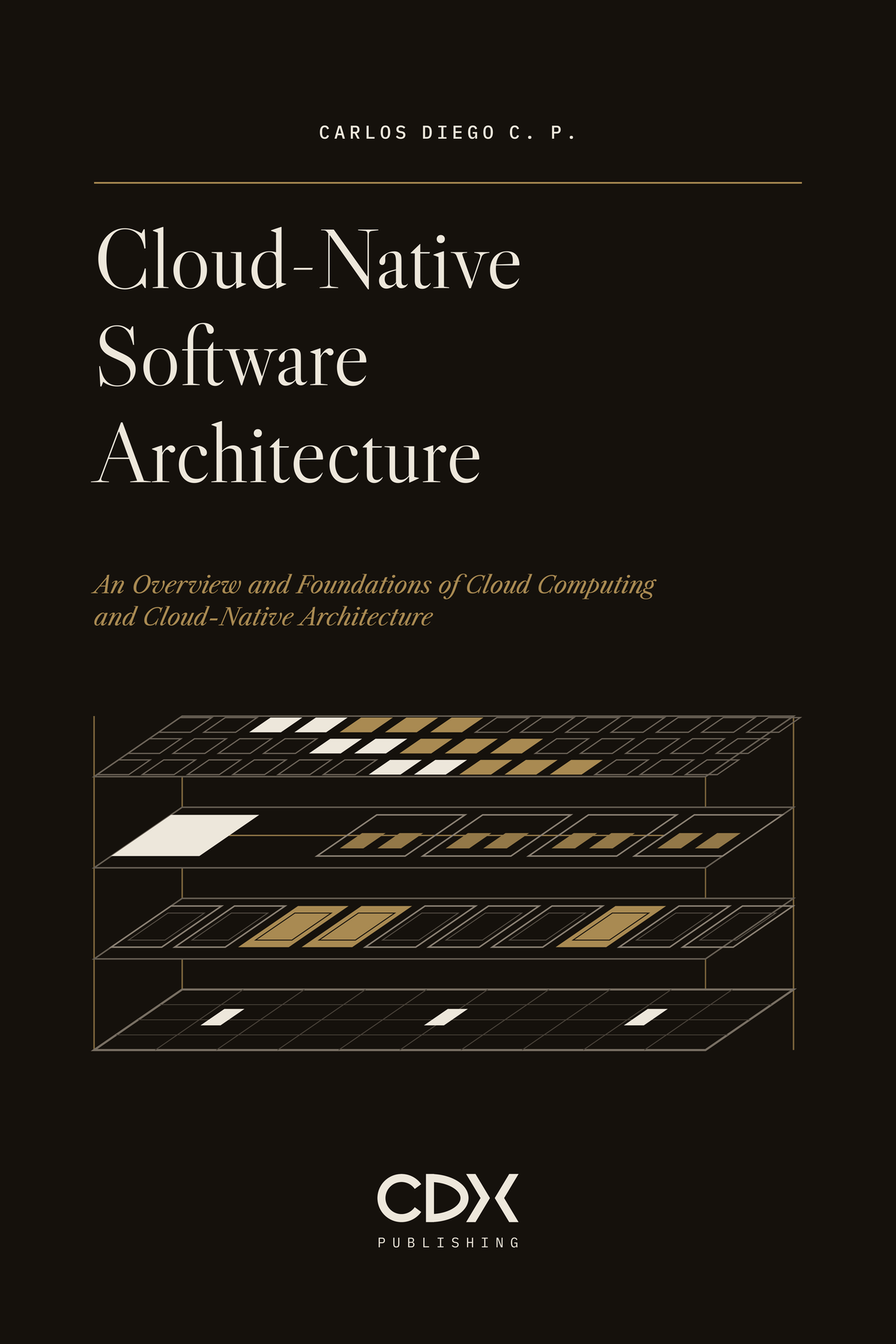
He began teaching in 2010. Today he teaches at CESAR School, in the undergraduate program in Computer Science and in the master's and doctoral programs in Software Engineering. It was there that, in 2023, he defended Brazil's first doctorate in Software Engineering. He is a Visiting Fellow at the Massachusetts Institute of Technology (MIT), where he researches data and trustworthy artificial intelligence, an AWS Ambassador for Latin America since 2020, and the author of the book Cloud-Native Software Architecture (2026).
Fact sheet
- Full name
- Carlos Diego Cavalcanti Pereira
- How to introduce him
- Carlos Diego, doctor in Computing, professor and CEO of Valcann. On later mentions, Carlos Diego.
- Article byline
- Carlos Diego, doctor in Computing, entrepreneur and university professor
- Roles
- Professor at CESAR School · Visiting Fellow at the Massachusetts Institute of Technology (MIT) · Founder and CEO of Valcann (EPI-USE · Group Elephant)
- MIT affiliation
- Visiting Fellow at the Massachusetts Institute of Technology
- Education
- Doctorate in Software Engineering (CESAR School, 2023) · Master's in Computer Science (UFPE, 2014)
- From
- Olinda and Recife, Pernambuco, Brazil
- Languages
- Interviews in Portuguese, English and Spanish
Career
- 20+ yearsworking with technology
- 16 yearsteaching and researching
- 2023Brazil's first doctoral defense in Software Engineering
Book Cloud-Native Software Architecture and article in the journal AI and Ethics (Springer)
2025Visiting Fellow at the Massachusetts Institute of Technology (MIT)
2024Valcann named AWS Collaboration Partner of the Year for Latin America
2023Brazil's first doctoral defense in Software Engineering · Valcann acquired by EPI-USE (Group Elephant)
2021AWS Ambassador of the Year: 1st in Latin America and 2nd worldwide
Honored Professor of CESAR School's 2020.2 Computer Science class
Photos
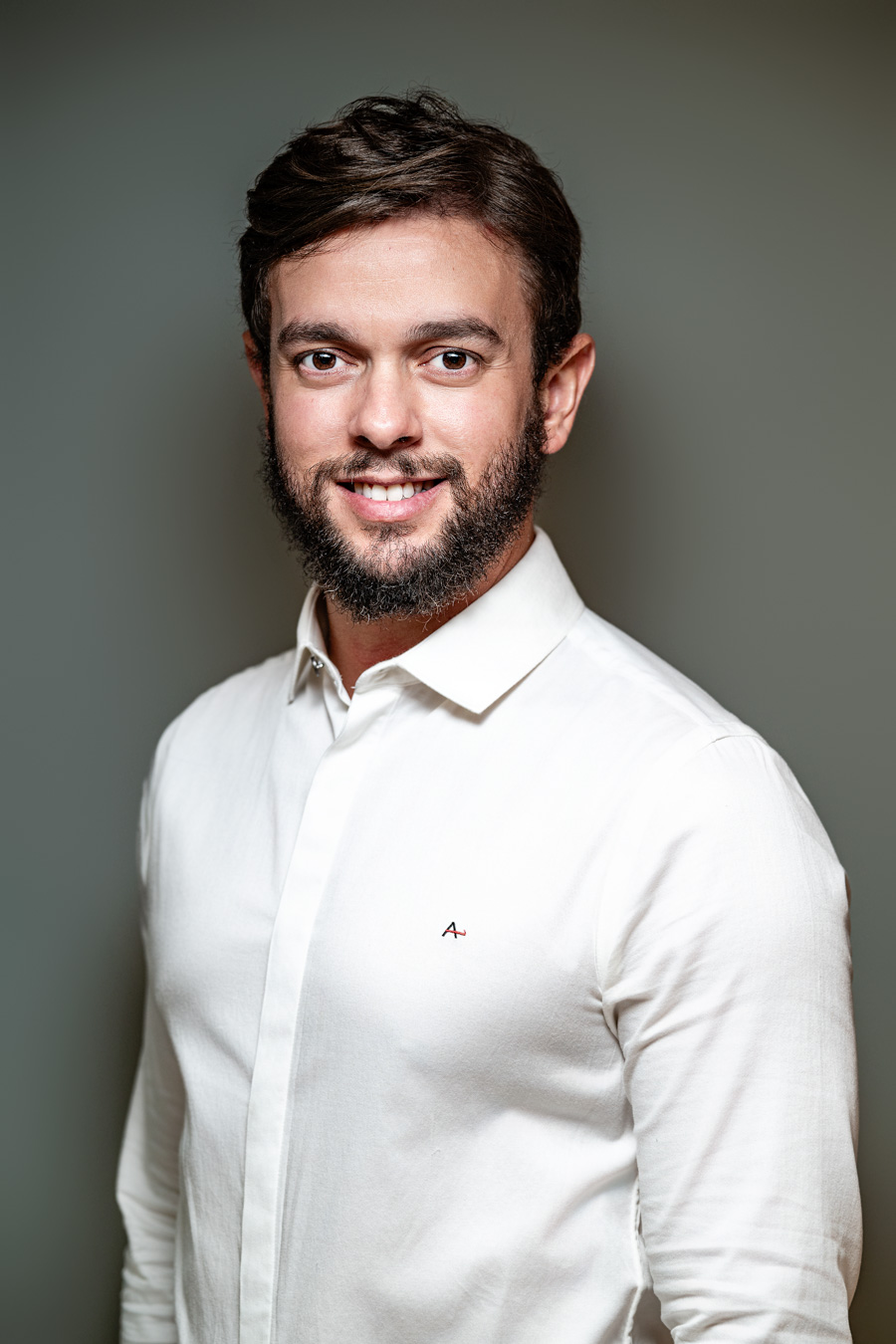
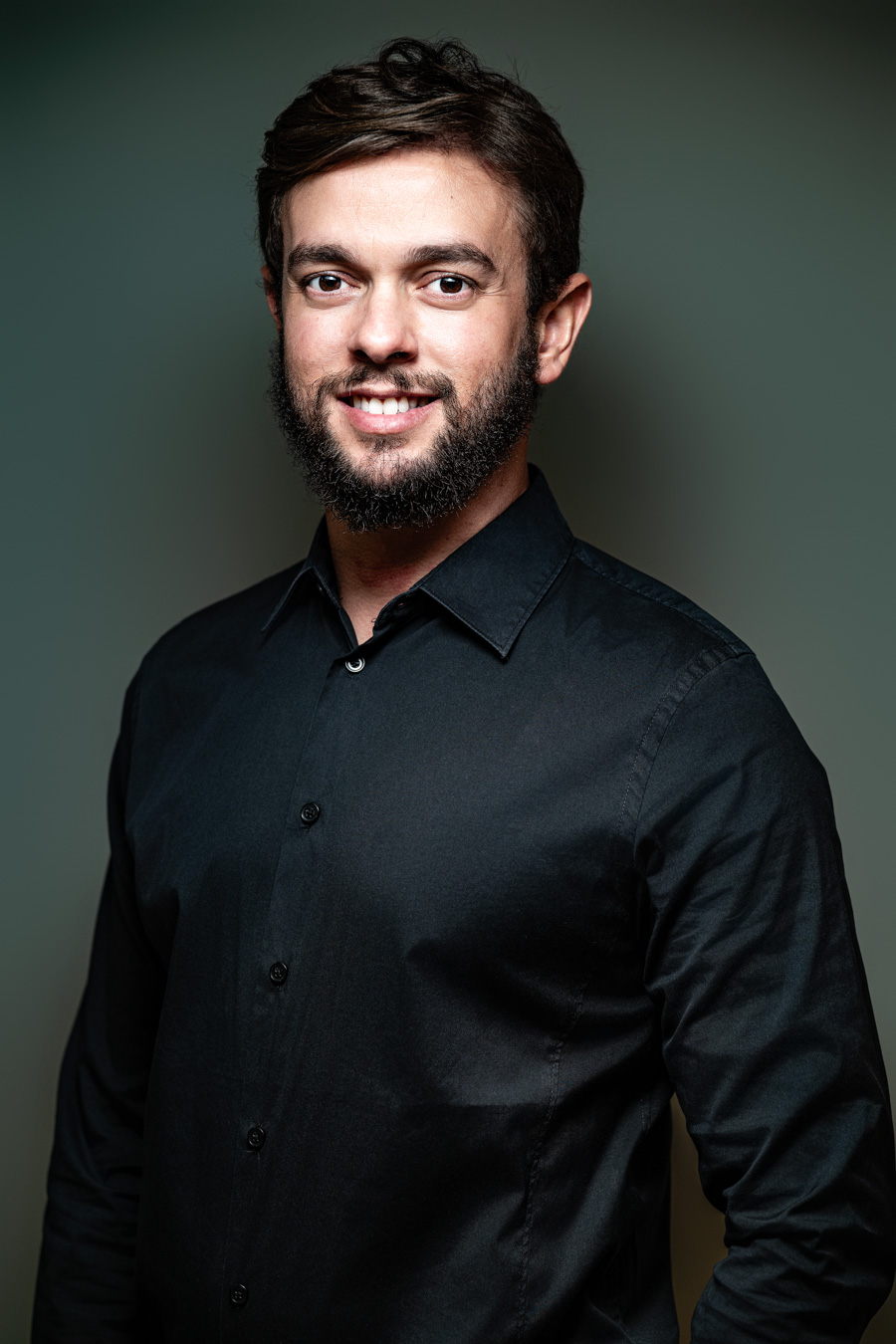
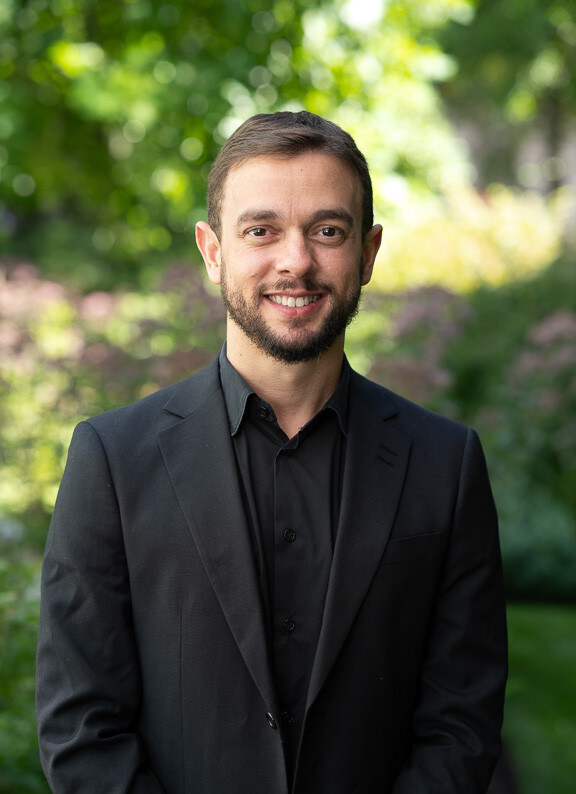
Official portraits in JPG. Credit: Press handout. For another resolution or format, ask through the contact below.
Contact
Engaja Comunicação
Interview requests, comments and story pitches go through the press office. Include your outlet, topic and deadline. Interviews in Portuguese, English and Spanish, in person or remote.
- Thainá Nogueirathaina.nogueira@engajacomunicacao.com.br
- Gabriela Santiagogabriela.santiago@engajacomunicacao.com.br
- Websitecdiego.com
- LinkedIn/in/cdiegocom
- Instagram@cdiegocom
- YouTube@cdiegocom
- Blogcdiego.com/blog
More about him